Why Custom Color Ink Makes a Tattoo Feel Personal
Your tattoo should be more than just a design from a gallery. It should reflect your memories, values, and the visual elements that feel like you. Custom color ink gives you the freedom to turn a simple idea into something vivid, layered, and personal.
At Rough Sands Tattoo, we often meet people who know the feeling they want, even if they aren't sure about the exact image. This is where custom color work shines. Whether you're into bold colors, soft gradients, or subtle palettes, the right ink choices can turn a concept into a piece that fits naturally on your skin. If you're exploring different styles, consider options like neo traditional tattoo or fine line tattoo to see what best matches your idea.
Color can do more than just look beautiful. It can create contrast, guide the eye, and support the emotions behind the tattoo. Warm colors might suggest energy and optimism, while cooler tones can feel calm or reflective. When a design is made specifically for your skin tone, placement, and story, it feels intentional rather than generic.
Before you settle on a concept, it's helpful to understand how custom color ink works, what affects its longevity, and how to work with an artist on a design that will age well. In this guide, we'll explore the creative and technical sides of custom color tattoos so you can bring your idea to life with confidence.
Start With the Story You Want to Tell
Identify the emotional core of the tattoo
Every strong tattoo begins with a clear emotional center. Ask yourself what the tattoo is really about. Is it a memory, a person, a milestone, a belief, or just a visual style that feels like home? The more specific you are about the meaning, the easier it becomes to shape the artwork around that purpose.
Say you're creating a tribute tattoo. It might feature soft florals and muted tones to feel sentimental. Meanwhile, a piece inspired by resilience might use sharp contrasts and saturated reds or blacks. The meaning doesn’t have to be obvious to others. What matters is that the palette, line work, and composition all support the story you want on your body.
Choose symbols that support the message
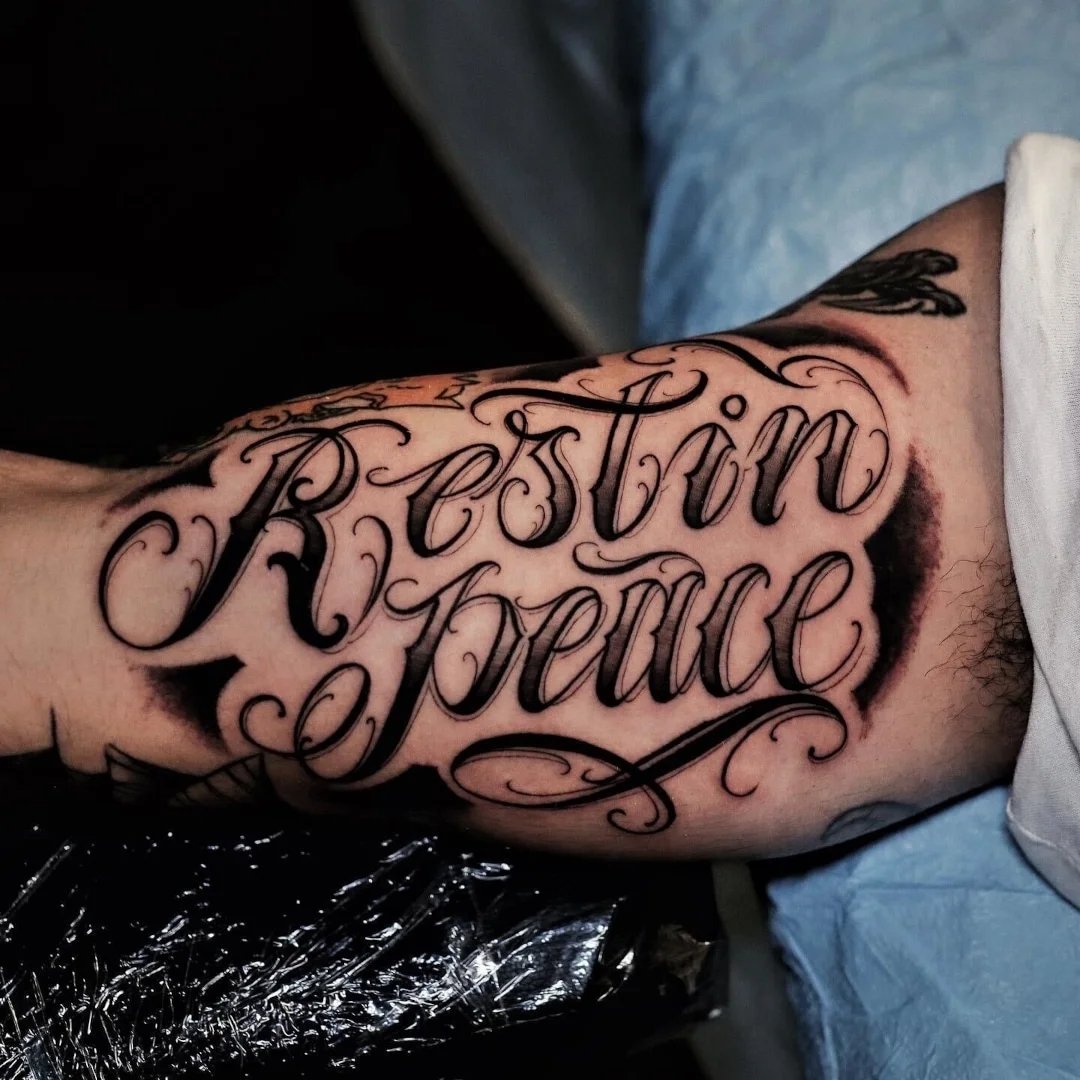
Once you know the emotional theme, think about symbols that express it. Flowers, animals, stars, script, decorative frames, and abstract forms can all carry meaning when used thoughtfully. If language is part of your idea, a well-placed phrase can be enhanced through script tattoo work, especially with color accents that make the letters pop.
It's also helpful to narrow your references to a few images instead of many unrelated ideas. A focused concept allows your artist to develop a cohesive design that feels custom rather than crowded. When the symbolism is clear, color can reinforce the meaning instead of distracting from it.
How Color Changes the Mood of a Tattoo
Warm, cool, and neutral palettes tell different stories
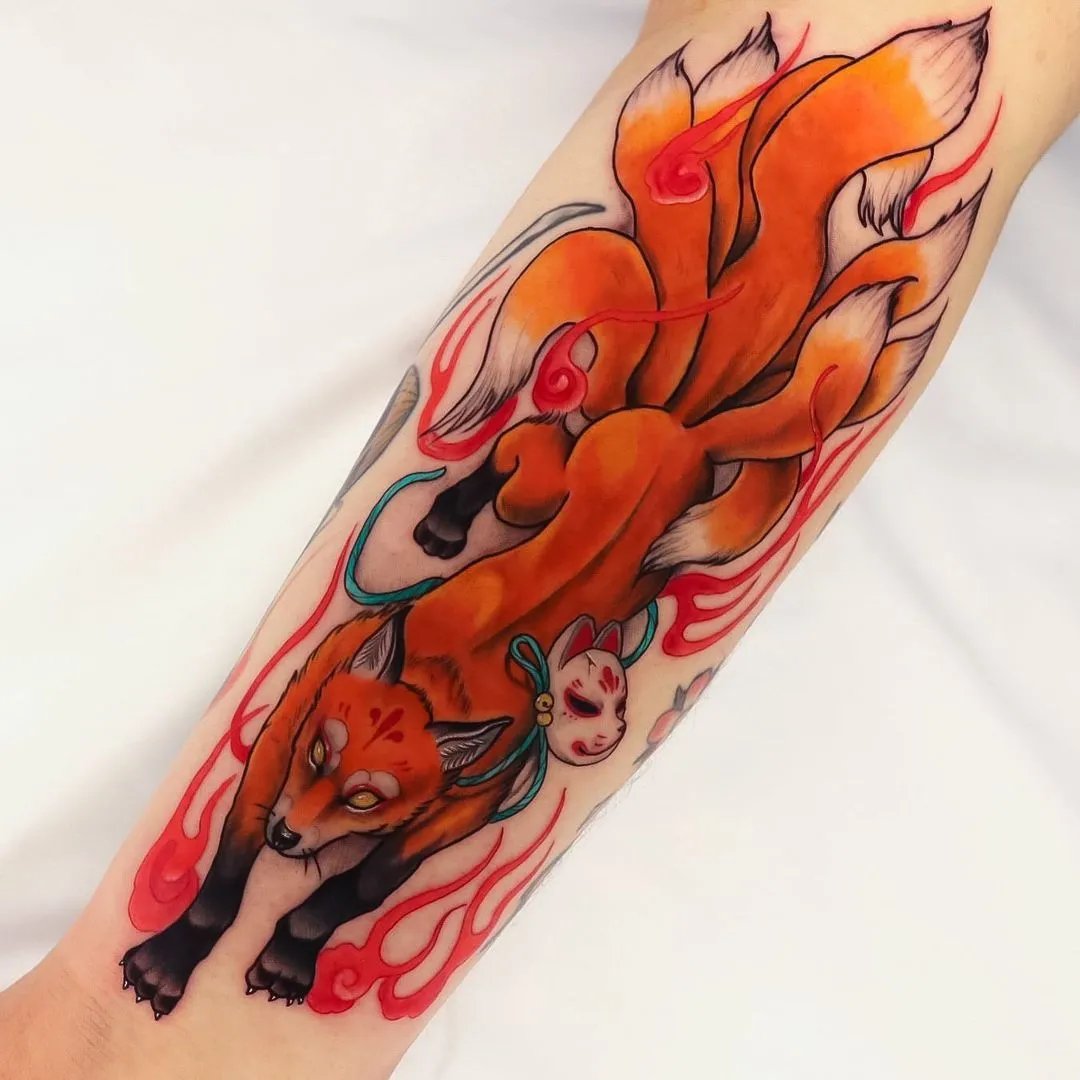
Color psychology plays a big role in tattoo design. Warm tones like red, orange, and gold often feel energetic and bold. Cool colors such as blue, green, and violet can feel calmer or introspective. Neutrals, including black, gray, and earth tones, can create balance and make vivid colors stand out.
The palette you choose should match both your personality and the tattoo's setting. A bright sunset-inspired design might feel playful and visible, while a muted botanical piece on the shoulder might feel private and poetic. The best color strategy isn't necessarily the loudest; it's the one that supports the story your tattoo tells every day.
Contrast and saturation affect readability
Custom color tattoos need strong contrast to stay readable over time. If the tones are too similar, details can blur as the tattoo ages. That’s why artists often use lighter highlights, darker anchors, and purposeful negative space. With the right structure, even a highly colorful design can remain clear and attractive for years.
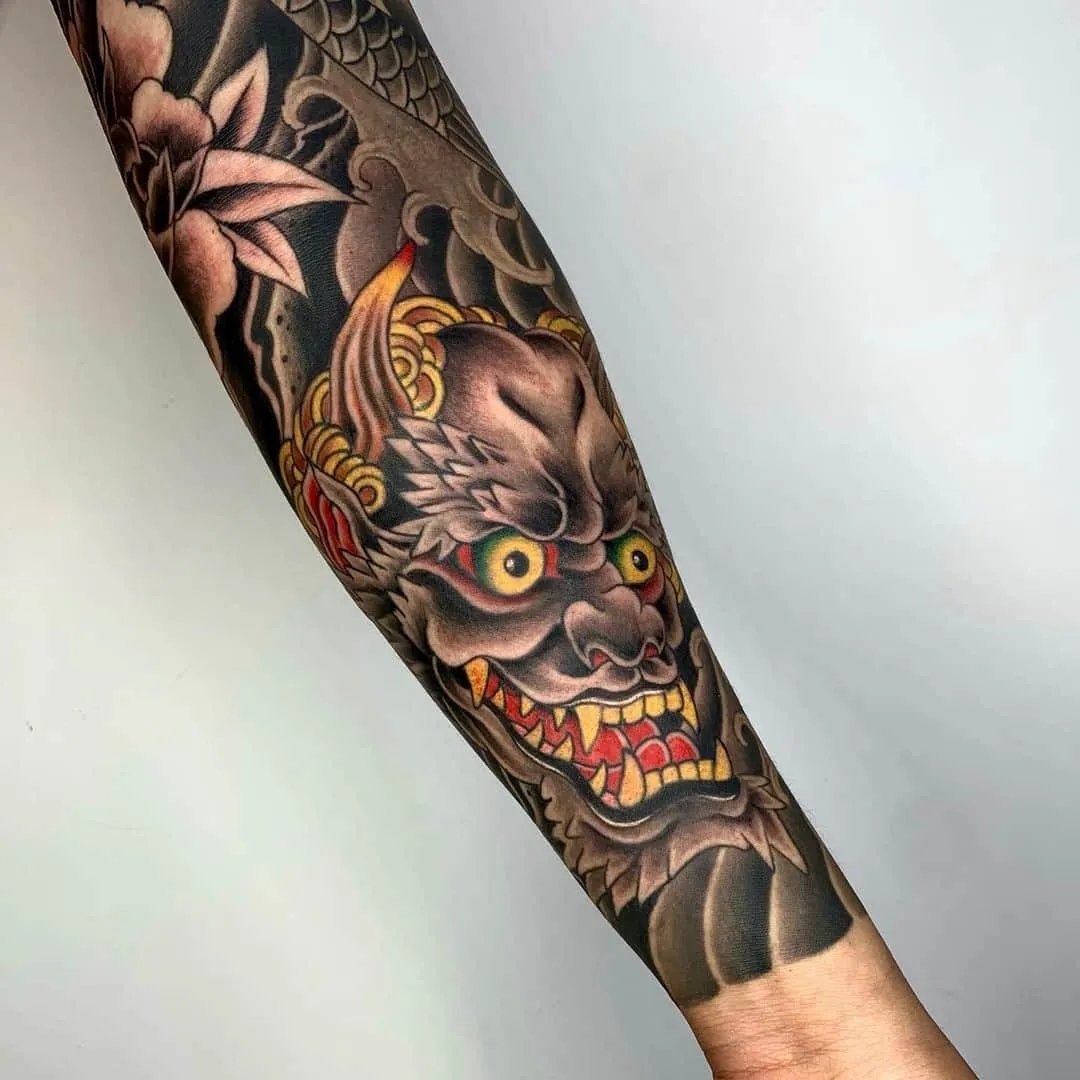
For those exploring a more traditional visual structure, a traditional tattoo approach can be a good reference point. Traditional tattoos are known for strong outlines and bold color placement, which can help understand how contrast maintains a design's shape. Even if your final concept is more modern, those principles still apply.
Color choice also depends on skin tone, placement, and sun exposure. A skilled artist won’t just choose colors that look good initially. They'll select combinations that age gracefully and keep the original idea intact.
Planning a Tattoo That Fits Your Skin
Placement changes how color appears
Where you place your tattoo affects how color looks both now and over time. Areas with frequent movement may cause more visual distortion, while flatter surfaces can showcase gradients and details better. The forearm, calf, upper arm, shoulder blade, and thigh are popular for custom color work because they offer space for layering and composition.
Smaller areas can still work beautifully, but the design usually needs to be simpler. Tiny color fields, delicate shading, and micro-details require careful execution and realistic expectations. If you want a more understated look, a delicate lines tattoo can pair well with selective color accents for a refined finish.
Skin tone is part of the design process
Good tattooing isn't about forcing every color onto every canvas the same way. Skin tone influences how pigments look once they heal, so your artist should consider undertones, contrast, and saturation from the start. Rich jewel tones, for instance, might pop beautifully on one person while needing different support tones on another.
This is why a custom consultation is so important. At Rough Sands Tattoo, our artists think through color choices before the needle touches the skin. Planning this way helps protect the final result and ensures the design feels like it belongs to you.
Use references wisely
Reference images are helpful, but they should inspire the tattoo rather than dictate it. A good custom piece blends inspiration with original design thinking. If you bring in photos, digital art, paintings, or color palettes, an artist can translate those ideas into a tattoo format that works on skin instead of paper.
It can also help to review broader style options before your appointment. If you're unsure whether your design should lean bold, intricate, modern, or illustrative, browsing a few service pages like realism tattoo can help clarify what visual qualities you prefer. The goal isn't to copy a style exactly, but to identify the artistic traits that best serve your story.
What Makes Custom Color Ink Different From Standard Flash
Original composition matters
Flash art is a great choice for many, but custom color ink offers a different experience. Instead of picking a ready-made design, you collaborate on a piece built around your idea, body placement, and aesthetic preferences. This usually results in a tattoo that feels more meaningful and unique.
Original composition also allows the artist to map color deliberately. They can place highlight tones where the eye should focus, use darker hues to frame the design, and choose accents that echo the piece's symbolism. This level of planning makes custom color tattoos feel so personal and balanced.
Technique changes the final look
Not all color tattoos are built the same way. Some use saturated fills and crisp outlines, while others rely on blending, layered shading, or soft transitions. The technique should fit the idea. A floral piece might benefit from watercolor-like movement, while a symbolic emblem might need defined edges and stronger contrast.
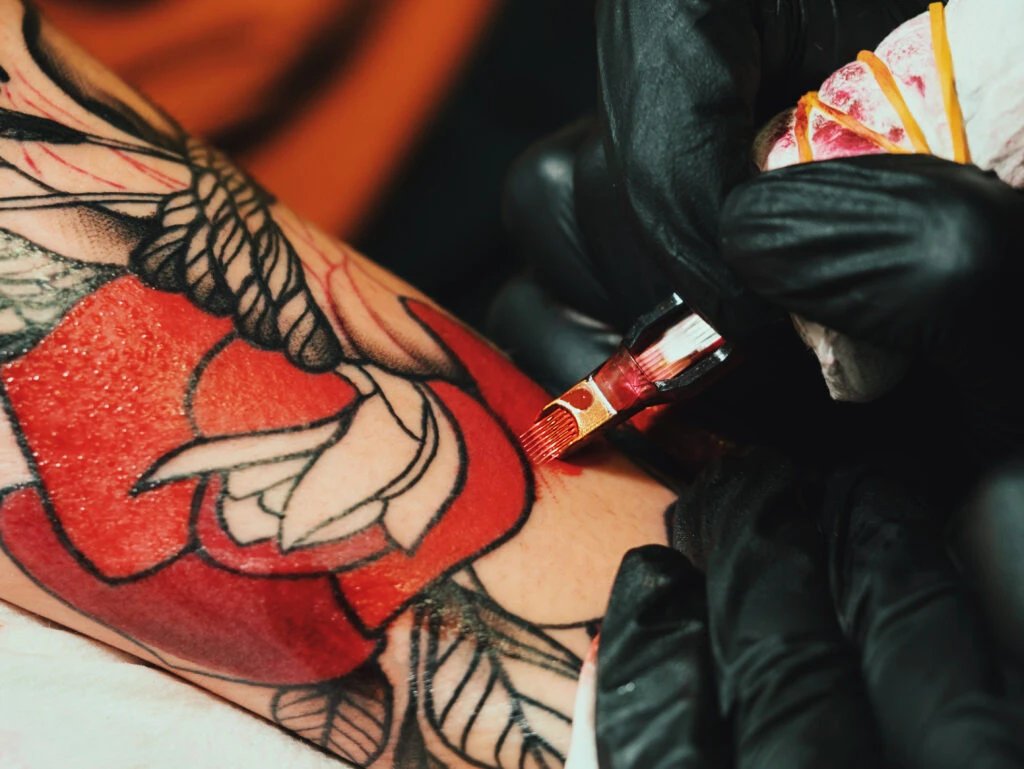
Technical execution also affects how the tattoo ages. Overpacked color can heal too dense, while under-saturated work may lose impact quickly. A skilled artist balances pigment, depth, and skin response so the tattoo still looks great after healing and through the years.
Health, Safety, and Aftercare Matter as Much as Aesthetics
Choose a studio that prioritizes hygiene
A beautiful tattoo should also be a safe one. Clean tools, proper sterilization, and professional setup are essential. The CDC guidance on tattoo safety is a good reminder that body art is a skin procedure and should be treated seriously. A professional studio should be open about hygiene practices and answer questions clearly.
At Rough Sands Tattoo, we believe trust starts before the appointment. You should feel comfortable asking about single-use equipment, station cleanliness, and how the studio prepares for each client. A safe process is not just good practice; it protects the tattoo's quality and supports better healing.
Aftercare affects how color heals
Once your tattoo is done, aftercare becomes part of the art. The healing stage determines how vibrant the color stays, how crisp the lines look, and whether the skin settles evenly. Following detailed aftercare instructions is one of the most important things you can do to preserve the final result.
Generally, aftercare means keeping the area clean, avoiding excessive friction, protecting it from sun exposure, and resisting the urge to scratch or peel. A well-healed color tattoo will always look better than one mistreated during recovery. Proper care also reduces the chance of uneven healing that can dull bright tones or distort fine details.
Know when to seek medical advice
Most tattoo healing is straightforward, but it's important to know the difference between normal recovery and signs of trouble. Mild redness, tenderness, and light peeling are common early on. Severe swelling, persistent pain, pus, fever, or worsening redness should be checked by a doctor. For general skin-healing info, the MedlinePlus skin health resources are a reliable reference.
Being informed doesn't mean expecting the worst. It means taking your tattoo seriously from start to finish. A good artist wants your piece to heal properly just as much as you do, because healed work is the true measure of success.
How to Prepare for a Custom Color Consultation
Bring visual references and be ready to talk about priorities
The best consultations are collaborative. Bring images, notes, and color palettes you love, but also be ready to explain what you want the tattoo to feel like. Do you want it bold and dramatic, soft and romantic, or artistic and unexpected? That information helps the artist make smart design decisions.
You should also think about what matters most to you. Some clients care most about symbolism, while others care about visual impact or subtlety. Knowing your priorities helps the artist decide where to simplify, where to detail, and where to use color to create emphasis.
Ask about revisions and placement options
A custom tattoo often goes through a design process before the appointment. It's normal to refine size, composition, or color placement during that stage. Ask how the studio handles revisions so you know what to expect. A thoughtful process should leave room for clarity without endless changes that blur the original idea.
It's also wise to talk about alternative placements. A design that feels crowded on the wrist might work beautifully on the upper arm or thigh. Small placement changes can make a big difference in how color breathes, how details are read, and how the tattoo ages.
Popular Custom Color Tattoo Ideas That Work Well
Florals, animals, and symbolic portraits
Some themes naturally lend themselves to custom color ink. Flowers can be adapted into delicate, realistic, or stylized forms. Animals can carry symbolic weight while allowing for bold color choices. Portraits and memorial pieces can use carefully chosen tones to create depth and emotion. Each of these ideas becomes more powerful when color is chosen intentionally rather than applied decoratively.
For clients who want a highly expressive piece, a color-heavy composition can combine elements from several styles. A floral border might surround a central portrait, or a symbolic animal might be set against a soft gradient background. The key is to keep the composition clear so that the color supports the story instead of overwhelming it.
Lettering with color accents
Not every color tattoo needs to be fully saturated to make an impact. Lettering can be elevated with subtle shadowing, ornamental flourishes, or a carefully chosen accent color. This works especially well if the words carry emotional significance and the client wants the phrase to feel elegant and refined. A design like this can also pair naturally with other forms of custom body art.
If you're interested in a softer visual approach, you may want to explore a fine line tattoo or combine lettering with minimal color details. This style can be especially effective for people who want the meaning to lead the design while the color stays supportive and understated.
Common Mistakes to Avoid With Custom Color Ink
Choosing color without considering aging
One of the biggest mistakes is choosing colors just because they look impressive in a photo. Tattoos age, and color changes over time. Bright pigments can soften, lighter tones can fade faster, and areas exposed to frequent sun may lose vibrancy sooner. This doesn't mean you should avoid color; it means you should choose color strategically.
A thoughtful artist will help you balance your excitement with long-term realism. That might mean using stronger outlines, placing brighter colors in protected areas, or incorporating darker tones to preserve contrast. These decisions may seem subtle, but they make a huge difference years later.
Overcomplicating the design
Another common issue is trying to include too many elements at once. If you combine multiple symbols, several color palettes, and dense detail in a small space, the tattoo can lose clarity. A clean composition almost always ages better than one that's overloaded. Simplicity doesn't mean plain; it means intentional.
If you're unsure how much detail your design needs, ask your artist to show you where the focal points will be. That makes it easier to understand what should remain prominent and what should be simplified. A well-designed tattoo should read clearly from a distance and still reward close inspection.
Why Collaboration With the Right Artist Changes Everything
Custom work depends on communication
The best color tattoos come from good communication. When an artist understands your vision, style preferences, pain tolerance, placement concerns, and aftercare commitment, they can create a piece that fits your life as well as your body. Collaboration isn't just a step in the process; it's the foundation of the result.
A great artist listens closely, offers creative direction, and helps translate abstract ideas into a workable design. That partnership is what turns a general inspiration into a tattoo that feels unmistakably yours. If you want a design that's bold, expressive, and grounded in craftsmanship, custom color work is worth the planning.
Experience shows in the finished piece
Experienced tattoo artists know how to adjust color values, refine composition, and anticipate healing behavior. They can recommend when a design should be bold and when it should be restrained. They also understand how different inks interact with skin, which helps them create results that are visually rich without becoming muddy or cluttered.
That experience is one reason clients return for multiple tattoos over time. Once you've had a strong custom experience, you understand how much the right artist influences the final piece. From the first consultation to the healed result, expertise makes the process smoother and the tattoo more meaningful.
Final Thoughts: Turn Your Idea Into a Tattoo That Feels Like You
Custom color ink lets you turn a personal idea into a piece of art that stays with you every day. When the concept, placement, palette, and technique all work together, the tattoo becomes more than decoration. It becomes a story in motion, shaped by your memories and supported by professional craftsmanship.
If you're ready to explore your own design, start with a clear idea of what you want the tattoo to express, gather a few references, and talk openly with an artist who understands custom work. Whether your vision leans bold, delicate, symbolic, or deeply detailed, the right collaboration can bring it to life beautifully. For more inspiration and to begin planning your next piece, explore our services, review our deposit policy, and connect with Rough Sands Tattoo to start the conversation.
Call today at (323) 301-7595 or visit us at 7916 Melrose Ave, Los Angeles, CA 90046 to discuss your tattoo idea and see how custom color ink can make it unforgettable.