From Japanese Legends to Incredible Ink: Bring Mythical Creatures to Life
Japanese mythology has inspired some of the most visually striking tattoo designs in the world. Dragons, koi, kirin, hannya, and phoenixes all carry deep symbolism, but they also give artists an opportunity to create movement, drama, and powerful storytelling in skin art. If you are considering a tattoo that feels meaningful and visually unforgettable, mythical creatures are an exceptional place to start, especially when you want a design that blends history, artistry, and personal expression.
At Rough Sands Tattoo, we often see clients who want more than a pretty image. They want an idea with depth, a design that connects to tradition while still feeling unique to them. A strong Japanese-inspired piece can be built with bold composition, elegant flow, and thoughtful symbolism, whether you are exploring a traditional tattoo approach or a more detailed neo traditional tattoo style. In this guide, we will explore the stories behind these legendary creatures, how to turn them into wearable art, and what to think about before you commit to your next piece.
Because many Japanese-inspired tattoos rely on balance, placement, and narrative, the planning process matters as much as the final image. Design research can help you make better choices, and health guidance is important too. The American Academy of Dermatology explains that tattoo aftercare plays a major role in healing and long-term appearance, which is why it is smart to understand both the creative and practical sides of the process before your session begins. You can also review our aftercare instructions to prepare for the best possible result.
Why Japanese Mythical Creatures Make Powerful Tattoos
They combine symbolism and visual impact
Japanese mythical creatures are not just decorative. They represent courage, transformation, wisdom, protection, and spiritual strength. This gives the wearer a design that feels layered and intentional, rather than purely aesthetic. Many clients choose these motifs because the imagery resonates with a life experience, a goal, or a personal identity they want to honor.
From a visual standpoint, these creatures are incredibly adaptable. They can be rendered in bold, traditional linework, refined with softer shading, or combined with flowers, clouds, waves, and wind bars to create a complete composition. That flexibility is one reason these tattoos continue to be popular across generations and styles. A skilled artist can turn one symbol into a full sleeve, a back piece, or a smaller tattoo with equal care.
They carry centuries of storytelling
One reason Japanese mythological tattoo art remains so compelling is that it comes from a rich cultural background. These figures appear in folklore, art, theater, and religious symbolism, giving them a depth that many modern motifs lack. Instead of using a trend-driven image, you are choosing something with historical weight and emotional resonance.
For readers who want to understand the broader tattoo landscape, our guide to the best tattoo styles is a helpful next step. It shows how different visual traditions compare, and why Japanese-inspired work often stands out for its strong composition and narrative structure.
The Most Iconic Mythical Creatures in Japanese Tattoo Art
Dragon: wisdom, power, and protection
The Japanese dragon is one of the most recognized figures in tattoo culture. Unlike the Western dragon, which is often depicted as destructive, the Japanese dragon is usually associated with wisdom, rain, strength, and guardianship. This makes it a favorite for people who want a design that feels both powerful and honorable.
Dragon tattoos can be built in many ways. Some designs wrap naturally around the arm or leg, creating movement from head to tail. Others stretch across the chest or back, where the artist can include detailed scales, claws, clouds, and waves. If you prefer a style with a classic foundation, a traditional tattoo can bring bold structure to the piece, while a realism tattoo may emphasize texture and dimensional detail.
Koi fish: perseverance and transformation
Koi are among the most meaningful symbols in Japanese art. According to folklore, koi can swim upstream and overcome great obstacles, which is why they are often linked to perseverance, ambition, and personal growth. This symbolism makes them especially meaningful for people who have overcome hardship or are celebrating a major life achievement.
Koi tattoos are often paired with flowing water, lotus flowers, or complementary creatures. Their shape also works beautifully in motion-based body placement, such as the forearm, calf, or side torso. The design can be simplified for a smaller piece or expanded into a larger story, depending on your goals and the artist’s composition strategy. For a different but related approach, many clients also explore fine line tattoo work when they want a subtler variation of symbolic body art.
Phoenix: rebirth and renewal
The Japanese phoenix, often connected with renewal and resilience, is a strong option for people marking a fresh start. It is visually rich, with long feathers, elegant wings, and flame-like motion that can fill large spaces beautifully. This creature is especially effective in back pieces or sternum-centered designs because its symmetry supports a dramatic, balanced layout.
When used well, the phoenix becomes more than a beautiful bird. It becomes a personal statement about survival, reinvention, and growth. The design can be made more traditional with stylized feathers and bold outlines or softened with a more delicate, modern approach. For clients who prefer a more graceful visual language, our delicate lines tattoo option may be a good starting point for consultation.
Kirin and hannya: mystery and duality
The kirin is a mythical creature often associated with benevolence, good fortune, and noble energy. It can create a less common, highly distinctive tattoo for clients who want something rooted in Japanese storytelling but not seen as often as dragons or koi. Because it is often depicted with hybrid animal features, it offers a fascinating design challenge for artists.
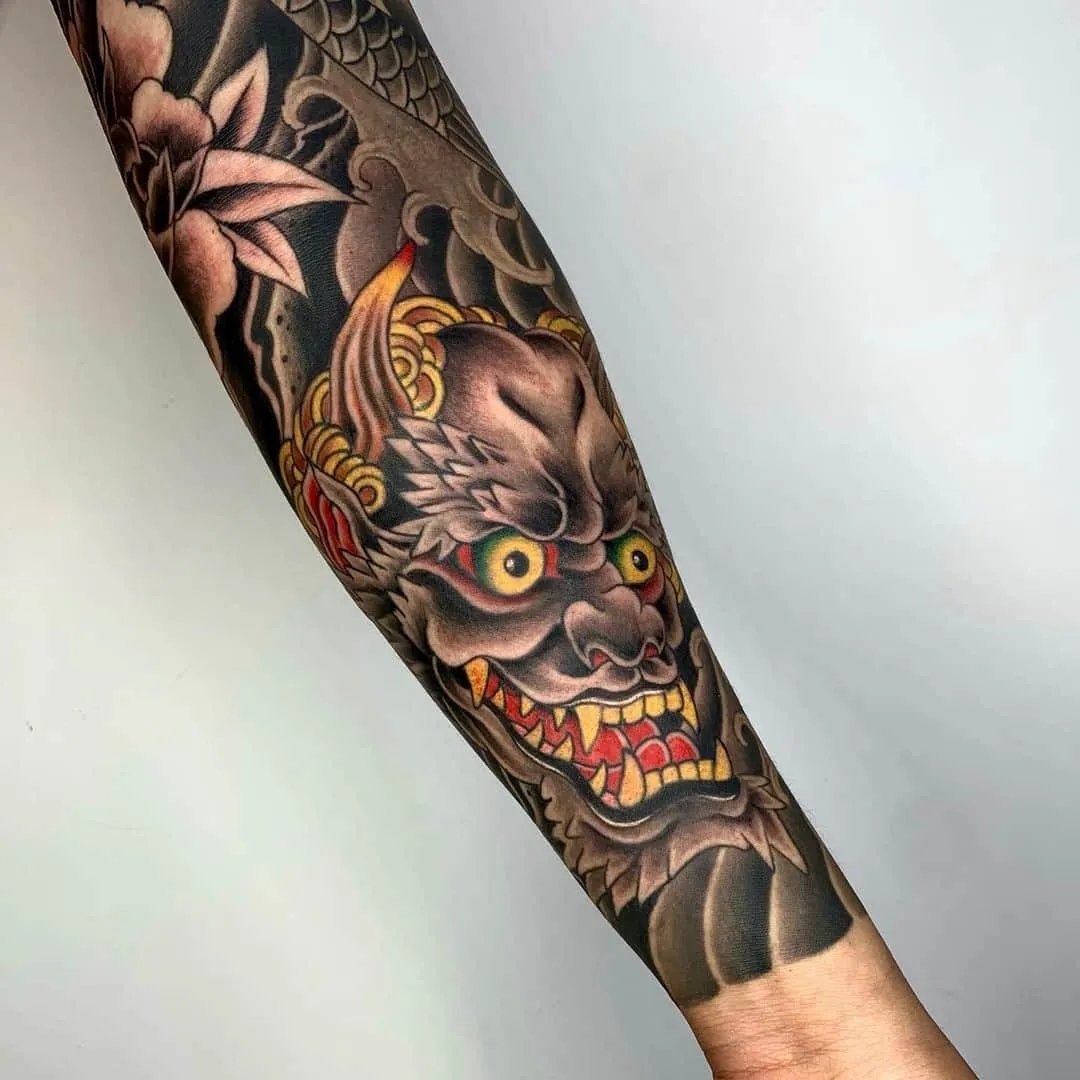
The hannya mask is another iconic symbol, though it carries a more dramatic emotional tone. It often represents jealousy, transformation, or the duality of human emotion. In tattoo art, this can create a powerful visual statement about inner conflict, strength, or survival through hardship. If you are drawn to expressive imagery with bold emotion, the hannya can be one of the most unforgettable choices in Japanese-inspired work.
How to Turn a Mythical Creature Into a Custom Tattoo
Start with the story you want to tell
The best tattoos begin with a clear idea of meaning. Ask yourself what you want the creature to represent. Are you choosing a dragon because you want strength, a koi because you want transformation, or a phoenix because you are celebrating a new chapter? The more clearly you define your reason, the easier it becomes to shape the art around your message.
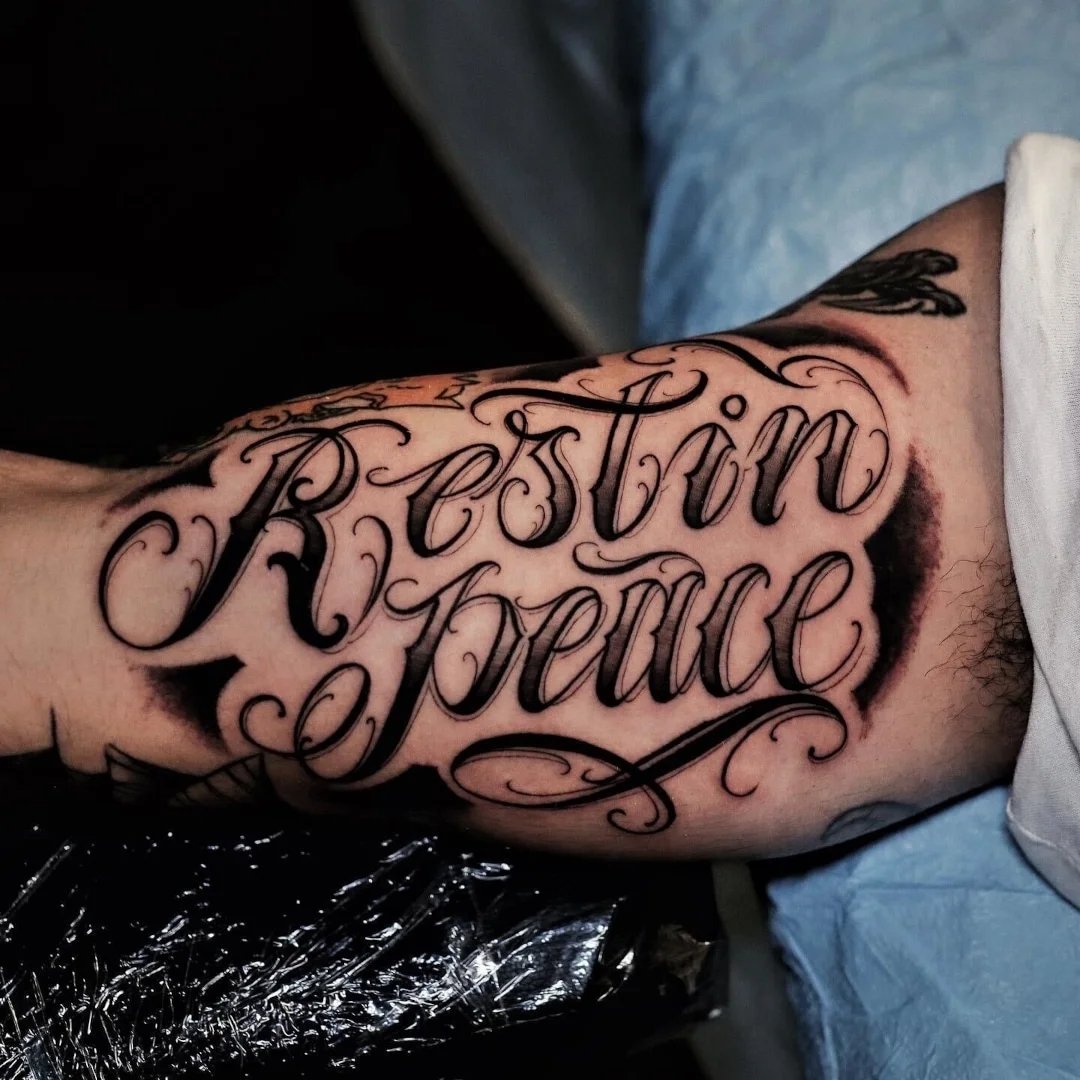
This is also where placement and scale become important. A large back piece can tell a much more detailed story than a small wrist tattoo, while a shoulder design may need simpler movement to stay readable over time. During a consultation, your artist should help translate your concept into a design that fits your body naturally. If you are comparing styles, consider how a script tattoo might be integrated with symbolic imagery to create a more personal composition.
Choose the right style for the subject
Not every mythical creature needs the same visual treatment. A Japanese dragon often benefits from strong linework, dynamic placement, and layered detail, while a koi may look elegant with smoother transitions and fluid motion. Phoenixes can feel regal and expansive, especially when the feathers are arranged to follow the curve of the body.
Style choices also affect readability over time. Bold contrasts generally hold better as tattoos age, while very fine detail should be planned carefully so it does not blur or lose definition. For that reason, style matching is not just a creative decision; it is also a long-term preservation strategy. The National Institutes of Health has published research on tattoo-related skin reactions and long-term considerations, which is a reminder that design and skin health should always be part of the conversation. See the NIH for broader health context and safety awareness.
Think about background elements and flow
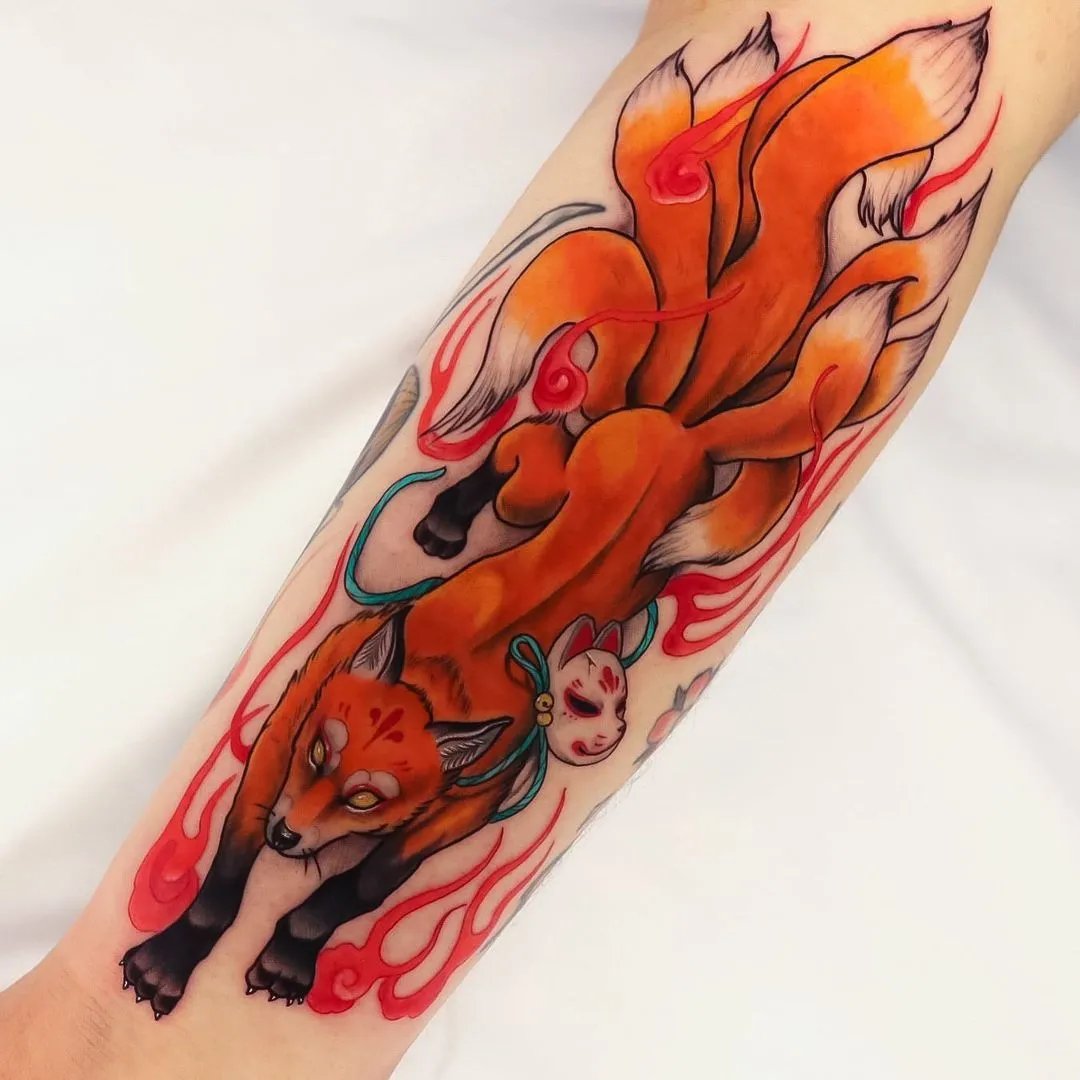
Mythical creature tattoos often work best when they are integrated into a larger composition. Waves, clouds, wind, cherry blossoms, flames, and smoke can all help the piece feel complete. These elements are not filler; they guide the eye and create a sense of motion, which is especially important in Japanese tattoo design.
Without strong flow, even a beautifully drawn creature can feel disconnected from the body. With the right background, the tattoo becomes a living composition that wraps naturally around muscles and movement. This is one reason many clients choose Japanese-inspired work when they want a tattoo that feels immersive rather than isolated.
Placement, Scale, and Body Flow Matter More Than You Think
Large pieces create stronger storytelling
If your goal is to honor a Japanese legend in a way that feels truly immersive, larger placement is often the best choice. Sleeves, half sleeves, backs, thighs, and chest panels provide enough room for the creature to breathe, move, and interact with the surrounding elements. These placements also make it easier to create a balanced design with clear focal points.
Large tattoos tend to age well when they are thoughtfully composed. There is more room for bold linework, negative space, and contrast, all of which help the image stay legible over time. If you are considering a bigger project, it can help to view it as a multi-session journey rather than a single appointment. This approach gives your artist more time to refine the anatomy, shadows, and environmental details.
Smaller tattoos need simpler structure
Smaller mythical creature tattoos can be stunning, but they need more restraint. Too much detail in a tight area can create visual clutter, which may weaken the design as it heals and ages. If you want a compact piece, focus on the most important features of the creature and keep the composition clean.
Many clients choose a smaller dragon head, a simplified koi, or a stylized phoenix feather for this reason. These smaller concepts still carry symbolic weight, but they rely on strong silhouette and shape recognition rather than a large amount of micro-detail. A thoughtful consultation can help you identify what will work best for your skin, placement, and preferred style.
Body contour should guide the artwork
Tattoos are not flat images. They need to fit the curves and movement of the body they live on. That means a creature should be positioned in a way that complements your anatomy instead of fighting against it. A dragon can flow from shoulder to forearm, a koi can arc around the calf, and a phoenix can rise across the back with incredible impact.
This is one area where experience matters. A skilled artist will design with the body in mind, adjusting proportions and direction so the tattoo feels integrated instead of pasted on. That level of planning helps the art look stronger in photos, in motion, and in everyday life.
Choosing the Right Artist for Japanese-Inspired Work
Look for cultural awareness and technical skill
Japanese-inspired tattoos deserve respect and care. You want an artist who understands not only the visual rules of the style, but also the symbolic meaning behind the imagery. That does not mean every artist has to be a historian, but they should be able to explain why a dragon, koi, or hannya is being used in a particular way.
Technical ability matters just as much. Clean linework, confident shading, and excellent composition are essential for a tattoo that will last. Review portfolios closely and look for consistency across healed work, not just fresh images. If you are planning a highly detailed design, ask about multi-session planning and how the artist approaches body flow.
Ask about consultation, deposits, and revisions
A good tattoo process should feel collaborative and organized. Before booking, ask how the design process works, whether sketches are created in advance, and how much flexibility you will have to request adjustments. Clear communication prevents confusion and helps the artist build something truly personal.
It is also smart to understand deposit policies before committing to an appointment. This protects both the client and the studio and keeps scheduling transparent. If you want to know how we handle this step, please review our deposit policy before booking your session. A little preparation now can save time and reduce stress later.
Evaluate healed results, not just fresh work
Fresh tattoos can be impressive, but healed results tell the real story. Ask to see healed photos if possible, especially for styles that involve detailed shading or soft gradients. This helps you judge how the tattoo holds up after the skin settles.
Healed work reveals whether an artist understands spacing, saturation, and long-term contrast. That is especially important for Japanese mythical creature designs because they often rely on large fields of color or black ink to maintain drama and clarity. When the ink settles well, the design continues to look alive instead of muddy or flat.
Aftercare Tips for Bold Mythical Creature Tattoos
Keep the healing process simple and consistent
Aftercare is one of the most important parts of getting a tattoo, especially for larger or more detailed Japanese-inspired pieces. The first few weeks set the tone for long-term color retention and line quality. Follow your artist’s instructions carefully, keep the area clean, and avoid anything that could irritate the skin.
According to the Centers for Disease Control and Prevention, skin care and hygiene are essential when managing any open wound, and that principle applies directly to tattoos during healing. Washing your hands before touching the area, avoiding soaking, and protecting the tattoo from contamination are all important steps. If you want a more detailed studio-specific guide, our aftercare instructions are a helpful reference.
Avoid friction, sun, and premature stress
Fresh tattoos can be damaged by tight clothing, excessive movement, sun exposure, and friction. This is especially relevant when your design wraps around joints or high-motion areas. Planning ahead makes a difference, because a tattoo on the forearm or calf may need a different daily routine than one on the chest or upper back.
Once your tattoo has healed, long-term sun protection becomes important. UV exposure can fade ink and dull contrast, which matters a lot for dramatic creature designs. Using sunscreen on healed tattoos helps preserve detail and saturation over time, keeping the artwork looking as strong as possible.
Know when to contact your artist or a medical professional
Most tattoos heal without major issues, but you should pay attention if something seems unusual. Excessive swelling, spreading redness, unusual discharge, or severe pain may need attention. Your artist can help you understand what is normal during healing, but medical concerns should always be addressed promptly.
Good aftercare is not complicated, but it is consistent. When you protect the tattoo during the healing phase, you give the design the best chance to settle cleanly and keep its detail for years. That is especially important for mythical creatures with layered shading, large backgrounds, or fine line accents.
Popular Creative Directions for Japanese Mythical Tattoos
Mix tradition with modern expression
Some clients want a tattoo that feels rooted in classic Japanese imagery, while others want a more contemporary interpretation. Both approaches can work beautifully. A traditional layout might emphasize bold outlines, wave motifs, and a strong black base, while a modern version could use more subtle shading, selective color, or a cleaner decorative structure.
This is where collaboration matters. Your artist can help you decide how far to lean into tradition versus modern customization. If you are especially drawn to a cleaner visual finish, a fine line tattoo or delicate lines tattoo influence can be blended into the concept without losing the spirit of the original legend.
Build a personal narrative into the design
The most memorable tattoos usually include one personal detail. That may be a flower with personal meaning, a color palette tied to family memory, or a placement choice that marks a major life event. Japanese mythical creatures are ideal for this kind of customization because the symbolic foundation is already strong.
You do not need to copy a museum image or a flash sheet exactly. Instead, use the myth as a framework and build your own version within it. That approach gives you a tattoo that feels meaningful and unique while still respecting the cultural and artistic language of the style.
Consider long-term expansion
Many people begin with one creature and later add more elements as their tattoo collection grows. A dragon can eventually connect to koi, wind bars, flowers, or a larger sleeve framework. Planning ahead can help the first tattoo serve as the foundation for future work instead of an isolated image.
If you think you may expand later, let your artist know during the consultation. That way, the scale, direction, and placement can be chosen with growth in mind. Strategic planning now can save you from awkward spacing or compositional problems later.
Frequently Asked Questions About Japanese Mythical Creature Tattoos
Are Japanese mythical creature tattoos only for large pieces?
No. While these designs often shine in larger formats, they can absolutely work in smaller tattoos if the composition is simplified. The key is choosing the right level of detail for the available space. Your artist can help narrow the idea so the final result remains readable and elegant.
Can I combine multiple creatures in one tattoo?
Yes, but the composition needs to be planned carefully. A dragon and koi can work together if there is a clear visual hierarchy, and a phoenix can be paired with symbolic background elements if the layout supports it. Multiple creatures should tell one cohesive story rather than competing for attention.
How do I make sure my tattoo does not look too busy?
The answer is to prioritize focal points and leave breathing room. Too much detail packed into a small area can make the tattoo feel crowded. An experienced artist will use contrast, negative space, and directional flow to keep the design strong and easy to read.
Should I choose color or black and gray?
Both can be beautiful. Color may help bring dragons, koi, and phoenixes to life with more energy, while black and gray can create a more timeless, dramatic look. The right choice depends on your aesthetic preference, skin tone, and how much maintenance you want over time.
Bring Your Legend to Life with the Right Studio
Japanese mythical creature tattoos are powerful because they blend meaning, movement, and artistic tradition into one unforgettable design. Whether you are drawn to a dragon for strength, a koi for perseverance, or a phoenix for renewal, the right tattoo can become a lasting reflection of your story. The key is thoughtful planning, the right placement, and an artist who can translate symbolism into clean, lasting work.
If you are ready to create a custom piece that feels personal and professionally crafted, Rough Sands Tattoo is here to help. Our team works with clients who want detailed storytelling, strong composition, and a calm consultation process from start to finish. Explore our neo traditional tattoo options, review our aftercare guidance, and contact us to begin planning a design that brings your legend to life.
Ready to start your next tattoo journey? Visit Rough Sands Tattoo or call (323) 301-7595 to schedule a consultation and turn your mythical idea into lasting ink.